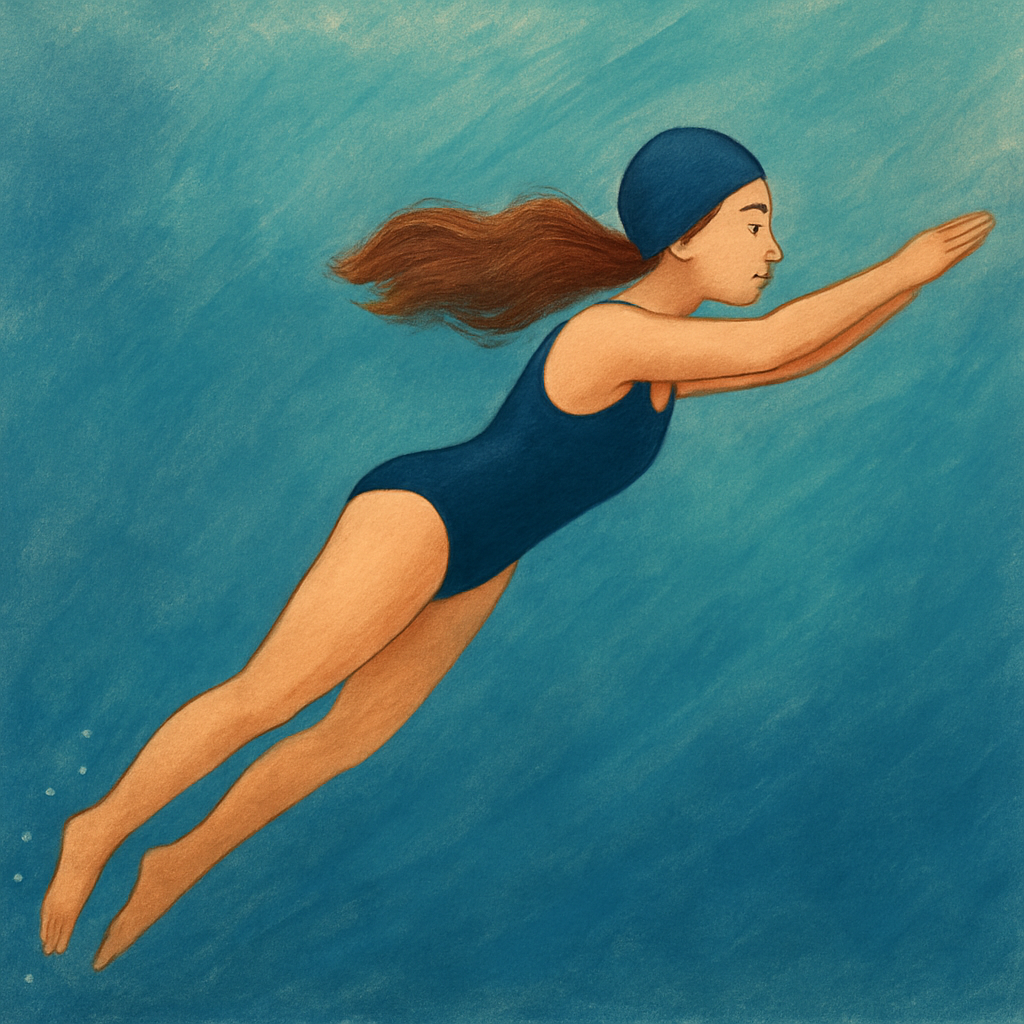
This dryland session brings the freestyle stroke into your room. Standing tall, you’ll simulate arm pulls, body rotation, and breathing – helping your body internalize the rhythm and flow of swimming, even away from the pool.
It’s ideal for anyone looking to improve technique awareness, build confidence, or prepare mentally before entering the water. Especially useful for beginners or those overcoming fear, this mindful practice helps you embody the movement like a fish in its natural element.
This energizing micro-session is designed to awaken your power zone — the area between your lower ribs and hips — with short, targeted activations. You’ll be standing tall, focusing on alignment, breath, and quick, controlled pulses that simulate the core control needed for strong freestyle swimming.
Perfect for days when you need a burst of focus, posture awareness, or a dryland prep before hitting the pool. Just a few minutes can reconnect you with your inner strength and rhythm.
Verse 1 – Bug Heels to your bum, make yourself small, Curl up tight like a bug, that’s all! Knees together, round your back, This is the perfect swimming track!
Verse 2 – Frog Now open your legs, turn your toes out, Like a frog who’s ready to jump about. Wide and strong, but calm and slow, It’s not a race — just let it flow!
Verse 3 – Hopperman Here comes the kick — give it a go! Push the water with one strong throw. Just like Jumping Jack jumps so high, Kick with a pop and then you glide!
Verse 4 – Fish Now pull your feet back into line, Tight and neat — you’re doing fine! Like a fish with a pointed tail, Glide through the water, smooth and pale.
Verse 5 – Ballerina Keep your feet closed, point your toes, Like a ballerina who beautifully flows. Hold the line and glide so clean, You’re the smoothest the pool has seen!
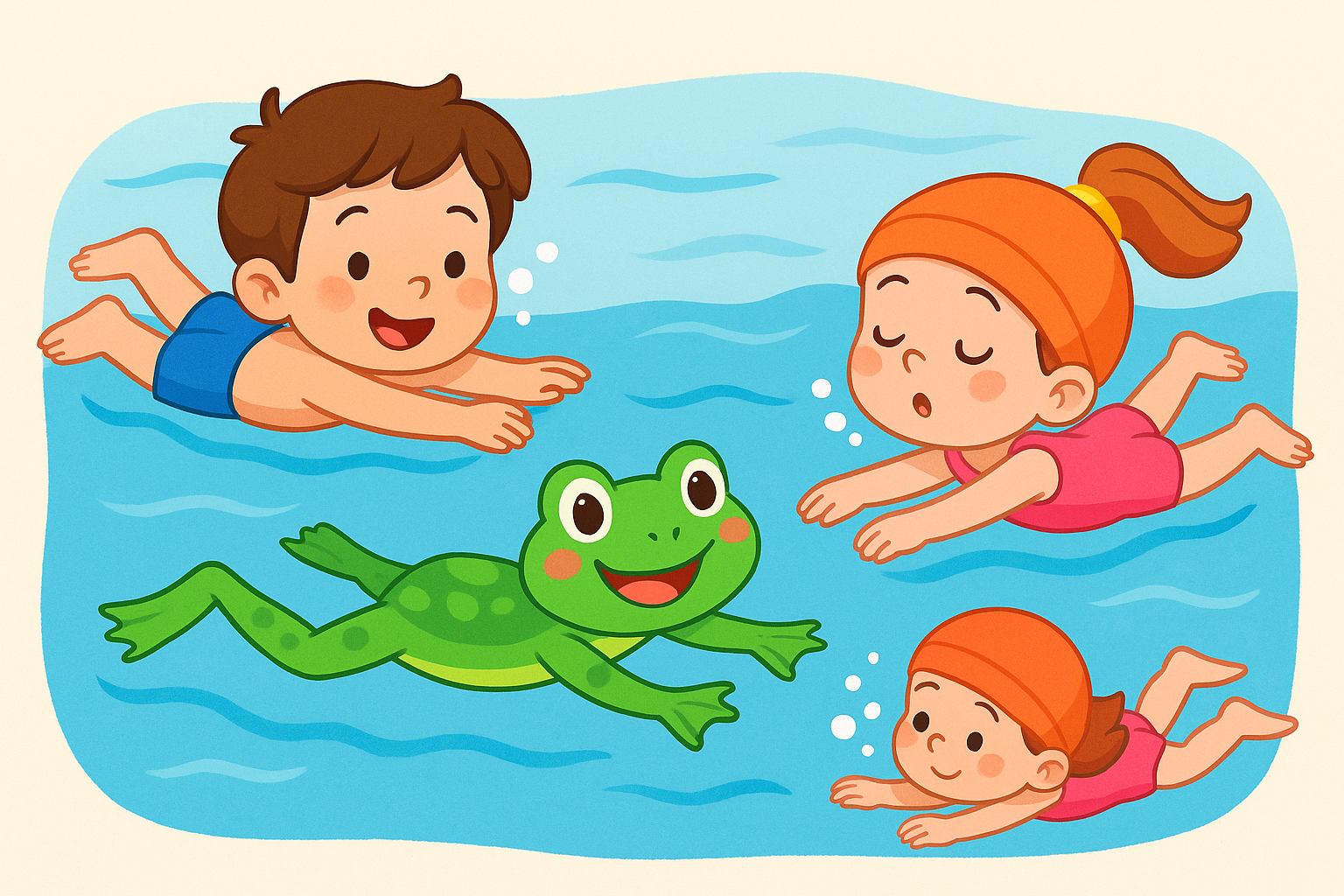
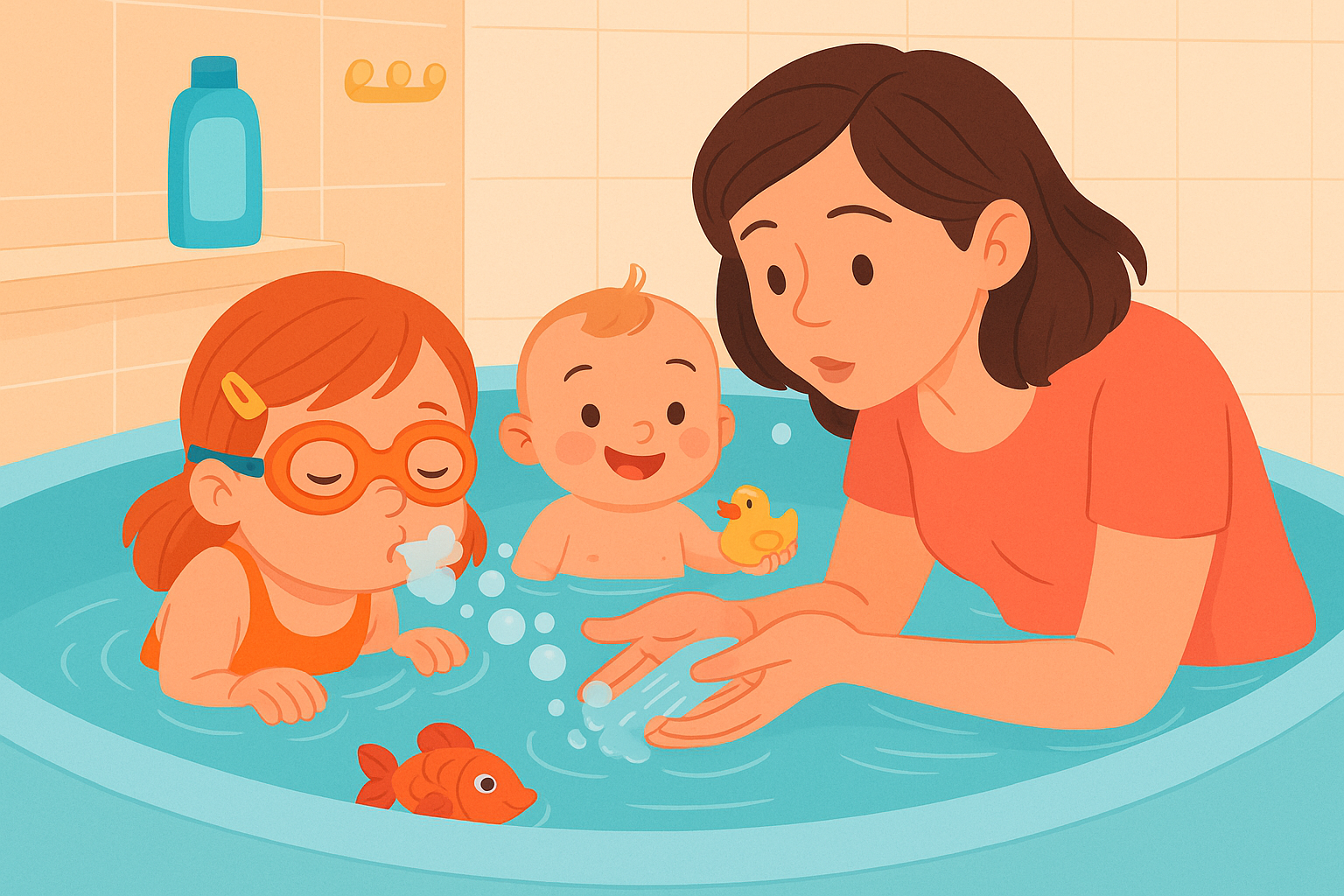
This guide is for parents, swimming teachers, and anyone who supports young children in learning to swim – especially those who want to help a child gently unlearn dog paddle arms during breaststroke.
If you’ve noticed that your child lifts their arms out of the water and paddles like a dog after breathing, this guide offers a playful, story-based way to help them develop smoother, more coordinated strokes – all without pressure or correction, and with lots of imagination instead.
Many young children, after taking a breath during breaststroke, instinctively switch to dog paddle arm movements. Instead of gliding their arms forward together underwater in a calm and coordinated way, they lift their elbows, paddle quickly at the surface, and disrupt their stroke rhythm.
This behavior often comes from anxiety, a lack of body awareness, or simply from copying others. It not only hinders progress in learning breaststroke but also leads to faster fatigue and less confidence in the water.
With a Tail
“Lily the Little Mermaid’s Adventure”
Imagine you’re Lily, a little mermaid who loves the water but is still learning how to swim like the graceful sea queens of the deep ocean…
One day, her wise sea teacher, Starry the Starfish, swam over and said:
“Dear Lily, if you want to reach the Magical Bubble Cave, you can’t splash like the tiny baby fish. The cave only opens for those who swim gently and gracefully – like the grown-up mermaids do!”
“Listen closely! Your hands should start together like two sleepy seashells, stretched out in front of you, as if you’re reaching out to hug a dolphin. Then, slowly open your arms wide, like drawing a big sunflower in the water, and bring them back to your chest – like this!”
“Don’t rush! The bubble cave only stays open if you swim calmly and slowly, because the magic bubbles are scared of splashes and will disappear.”
And guess what?
If Lily swims without doggy paddle splashing, using her quiet mermaid arms, she might see sparkling bubble stars under the water – they only appear for swimmers who move like the sea whispers.
With Games
1. Princess Arms Game
Imaginative role play:
“You’re a princess now, swimming gracefully underwater as if heading to an underwater ball. Your arms don’t splash around – they glide forward together and sweep out to the sides like a dance move.”
Tip: Practice in front of a mirror – palms together, stretch forward, then circle back slowly and symmetrically. Praise her at the end: “Just like a real mermaid!”
2. Turtle Challenge
Say to her:
“Now you’re a turtle! Turtle arms don’t flap around – they pull slowly and strongly underwater. If you splash too much, the turtle gets tired!”
Tip: Use a small turtle figure she can hold in her hands or balance on her head – it stays in place only if she stays calm and avoids flailing.
3. Bubble & Star Race
Goal: Only take a breath after completing one full, smooth arm movement.
Motto: “Bubble – Pull – Breathe – Star Arms!”
This gives her rhythm and breaks the reflex of switching to doggy paddle right after breathing.
Bonus: Underwater Baby Rescue Mission
Give her a waterproof doll or toy that she can “rescue” – but only if she swims to it with quiet, wide breaststroke arms. A peaceful approach makes the mission a success!
Welcome to your freestyle posture checkpoint — no pool required!
In this episode, we explore how a simple standing drill using a wall can awaken your body’s alignment, activate your core, and lay the foundation for a powerful freestyle stroke. You’ll learn how to feel your length from head to toe, stabilize your axis, and kickstart your stroke with full-body awareness.
Whether you’re a beginner building water confidence or an advanced swimmer refining technique, this posture-focused routine brings clarity to your movement patterns and prepares you to glide through the water with ease.
Let’s wake up your freestyle — one wall at a time.
Before you can move through water with ease, you need to find your anchor.
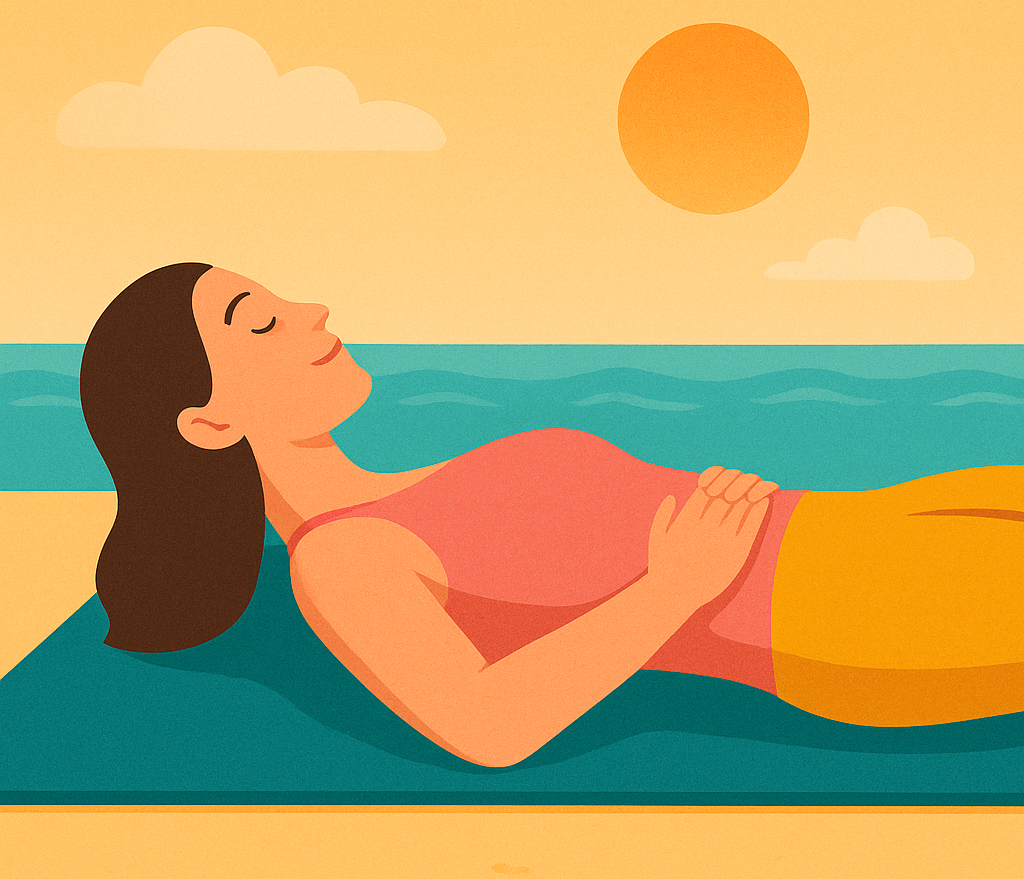
This 10-minute practice focuses on gently activating the deep core and pelvic floor – your inner stabilizers that support every stroke, every breath, every moment in and out of the pool.
Blending seated strength exercises, mindful breathwork, and grounding poses, this session helps you reconnect with your center – softly yet powerfully.
What you’ll practice:
Seated core activation and gentle bridges
Modified curl-ups for deep belly strength
Grounding breathwork and pelvic awareness
Ideal for:
Swimmers seeking better posture and inner control
Postpartum bodies in gentle regeneration
Anyone wanting to move with more presence, less tension
Feel how a strong center gives you freedom to glide.
Build from within – and let the water carry the rest.
Stiff shoulders after swimming? Neck tension from everyday stress?
This 10-minute session is your gentle rescue.
In this soothing, post-swim (or post-work) recovery flow, we melt tension from the neck and shoulders through mindful movement and breath. No equipment needed – just your presence, your breath, and a few calm moments to reset.
You’ll experience:
Neck and shoulder mobility drills
Gentle stretches to open the chest and side of the neck
Deep, tension-releasing breathwork
Perfect for:
Swimmers with tight upper bodies
Desk workers with rounded posture
New moms holding babies
Anyone carrying the weight of the day on their shoulders
Let go. Unwind. Float back into balance – one breath at a time.
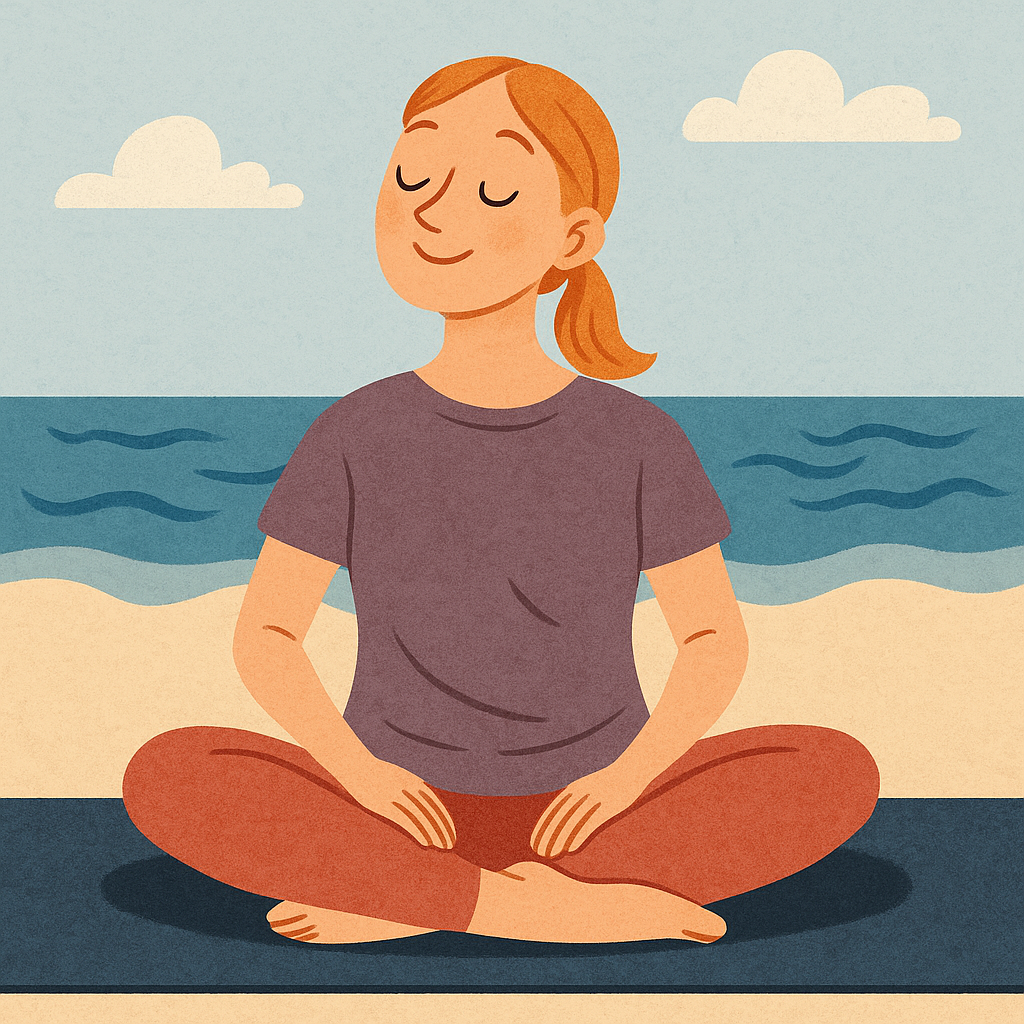
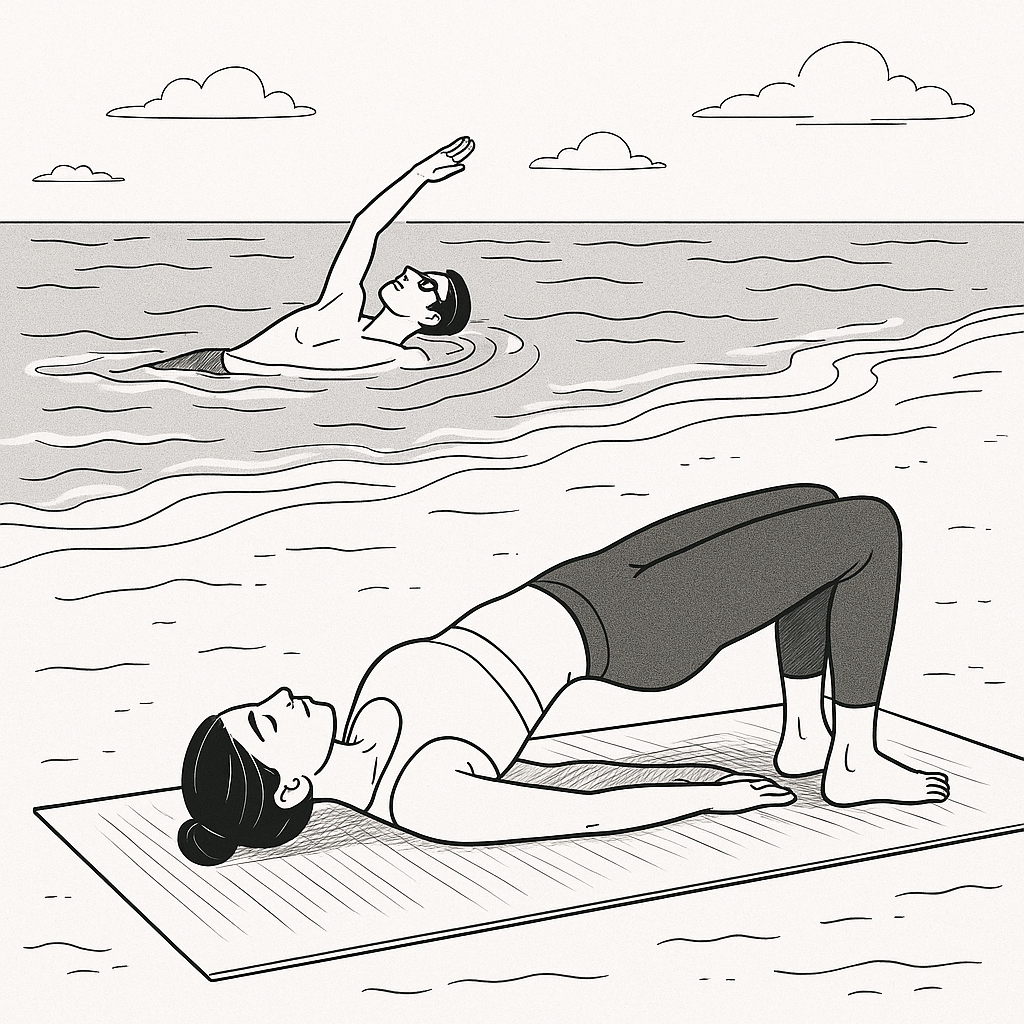
Dive into this shore-side practice designed to prep your body for the water — with a splash of inner strength and a ripple of awareness! Whether you’re a beginner swimmer or a seasoned mermaid, this session gently activates the muscles that matter most: shoulders, core, pelvic floor, and feet.
Through breath, mindful movement, and a sprinkle of imagination, you’ll explore how dryland training can make waves in your swimming technique. Think ballet toes, whispering abs, and shoulders that glide like dolphin fins.
No mudras, no mantras — just smart, subtle moves that help you float stronger and swim smoother.
From mat to water, it all starts here. Ready to feel the power of the pool… even before you dive in?